
Lang Lang Ago
Ulster-Scots poet, Charlie Gillen talks about the importance of language and culture from a rural perspective. He draws from the well of his childhood memories and uses traditional Ulster-Scots words and language, some of which may be familiar even today.
Ulster-Scots has been spoken in parts of Ulster for centuries and has been used by Ulster writers since the 1700s. The preferred medium of Ulster-Scots literature has always been poetry.
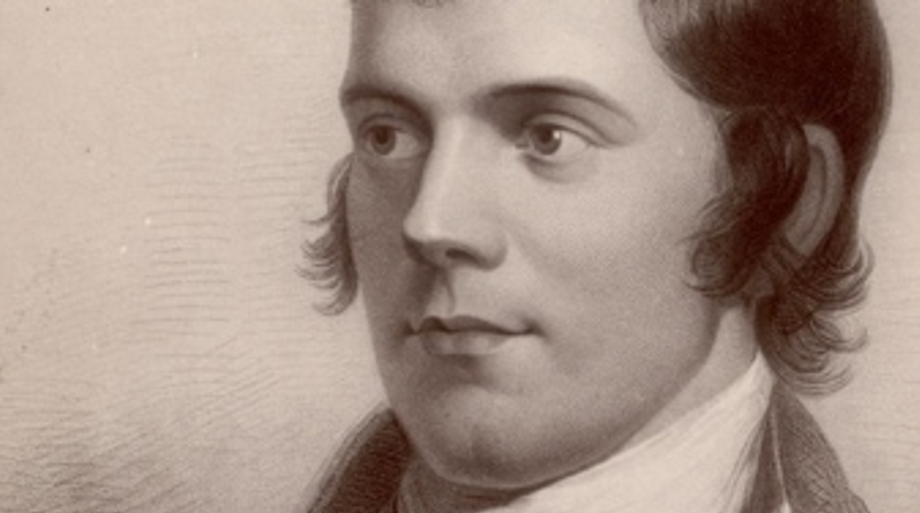
The Weaver Poets were a group of people who worked in the linen industry in Ulster in the 18th and 19th Centuries and wrote poems mainly in Ulster-Scots. They were sometimes called the Rhyming Weavers as many of their poems were written in Standard Habbie, a way of writing verse that sounded, when read aloud, like the rhythm their looms made. Influenced by Scottish poets such as Robert Burns, the Rhyming Weavers wrote about their day to day lives but also about important events that were happening in the world at that time.
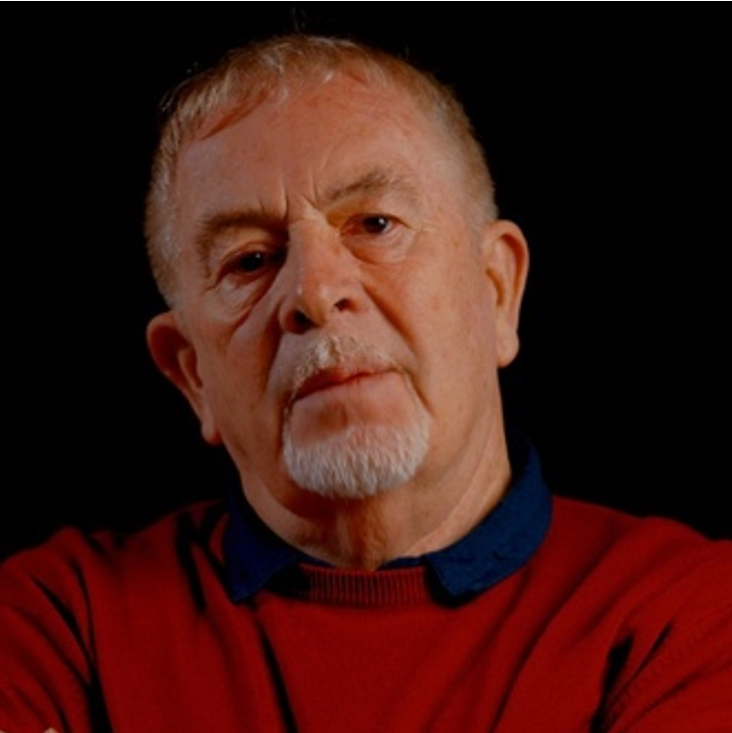
Dervock bard Charlie Gillen has been exposed to this way of telling stories from birth and has used it almost exclusively in his own writing. Charlie is recognised as one of the foremost Ulster-Scots writers around today and is a great believer in the rhyming tradition, established by the people who loved the countryside and used their rhymes to entertain friends and family. Many of the words and phrases Charlie grew up with have now gone, neglected, along with the way of life that nurtured them. Through his poetry and prose Charlie feels a great responsibility to use this language, to do justice to those that have gone before and to inspire a new generation who will ensure the culture doesn’t die out.
You no longer need to scour dusty libraries or remaindered book shops to find these Ulster-Scots poems as many are freely available online through the efforts of the Ulster University Poetry Project and the Ulster-Scots Academy website.