Food In Yer Belly
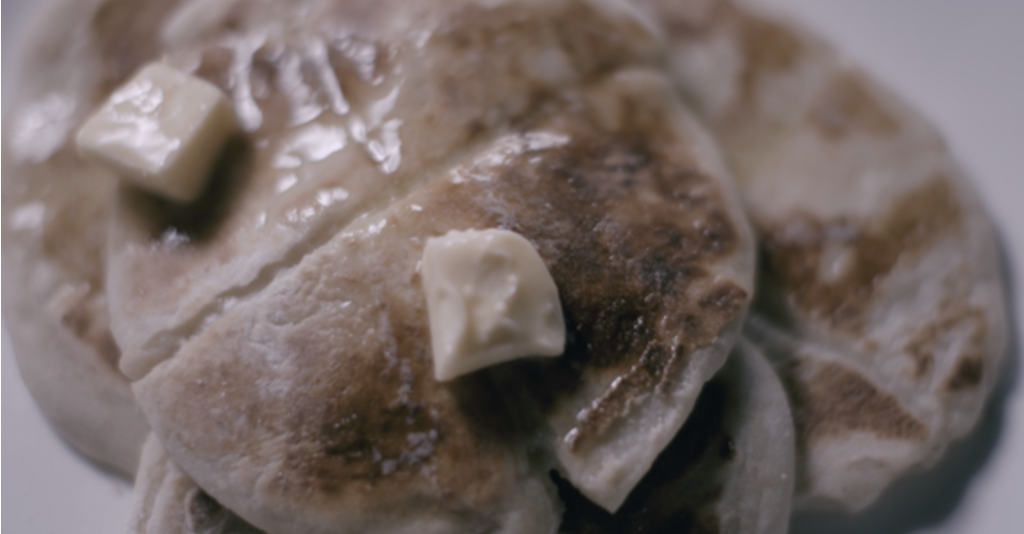
The delicious fadge is made from leftover potatoes and cooked over an open fire on a griddle. In this film Diane Bailie uses traditional techniques to make fadge which sustained people as they worked in the fields.
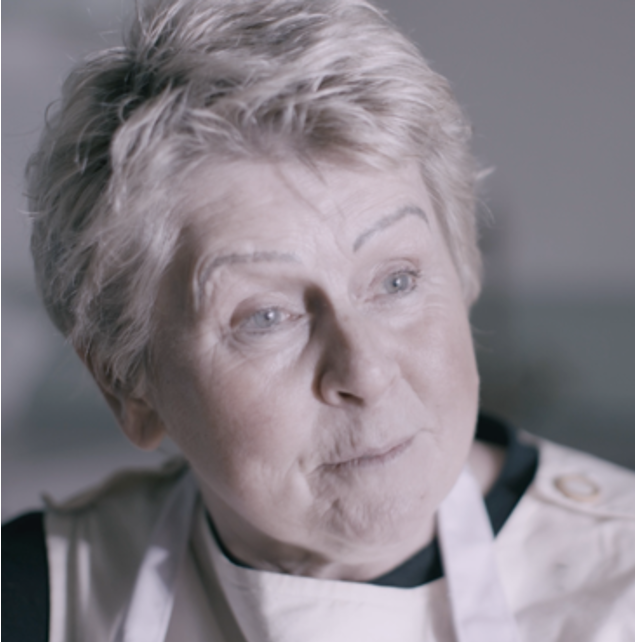
Diane Baillie is one of Northern Ireland’s top caterers and has carved out a prestigious business supplying first class food for events. Despite her high end cheffery, Diane’s real passion is for traditional home cooked recipes and her “fadge” has become legendary.
“Fadge” or Potato bread, is sometimes called potato farl, and originates from the old Scots word ‘fardel’ meaning quarter or fourth part, because of how it is formed. It can also be called slim, depending on from which part of the country you hail.
Potatoes are a very economical and truly versatile food which can be cooked in many different ways, such as roasted, boiled, mashed or chipped. The peelings can be used as animal feed. Potatoes have been the staple food in Irish diets since the 16th century.
In the 19th century, potatoes were added to bread dough to reduce the amount of flour that was needed. This saved money as flour, particularly white flour, was very expensive.
Today, fadge is traditionally eaten as part of an Ulster Fry, often with bacon, sausage, soda bread and black pudding. But it also delicious straight from the griddle with a large knob of butter. An Ulster staple, fadge is recognised worldwide as a great Irish culinary tradition.